Chapter · Earth Class Mail · Beaverton · 2008–2017
The system behind the systems
Marketing Operations Manager, after National Operations Manager and Manager of Customer Experience. A mail-scanning startup: thousands of mailboxes a day, scanned front and back, with customers choosing online to open and scan, forward or shred.
The proof that the method works outside creative work. Earth Class Mail is now part of LegalZoom.
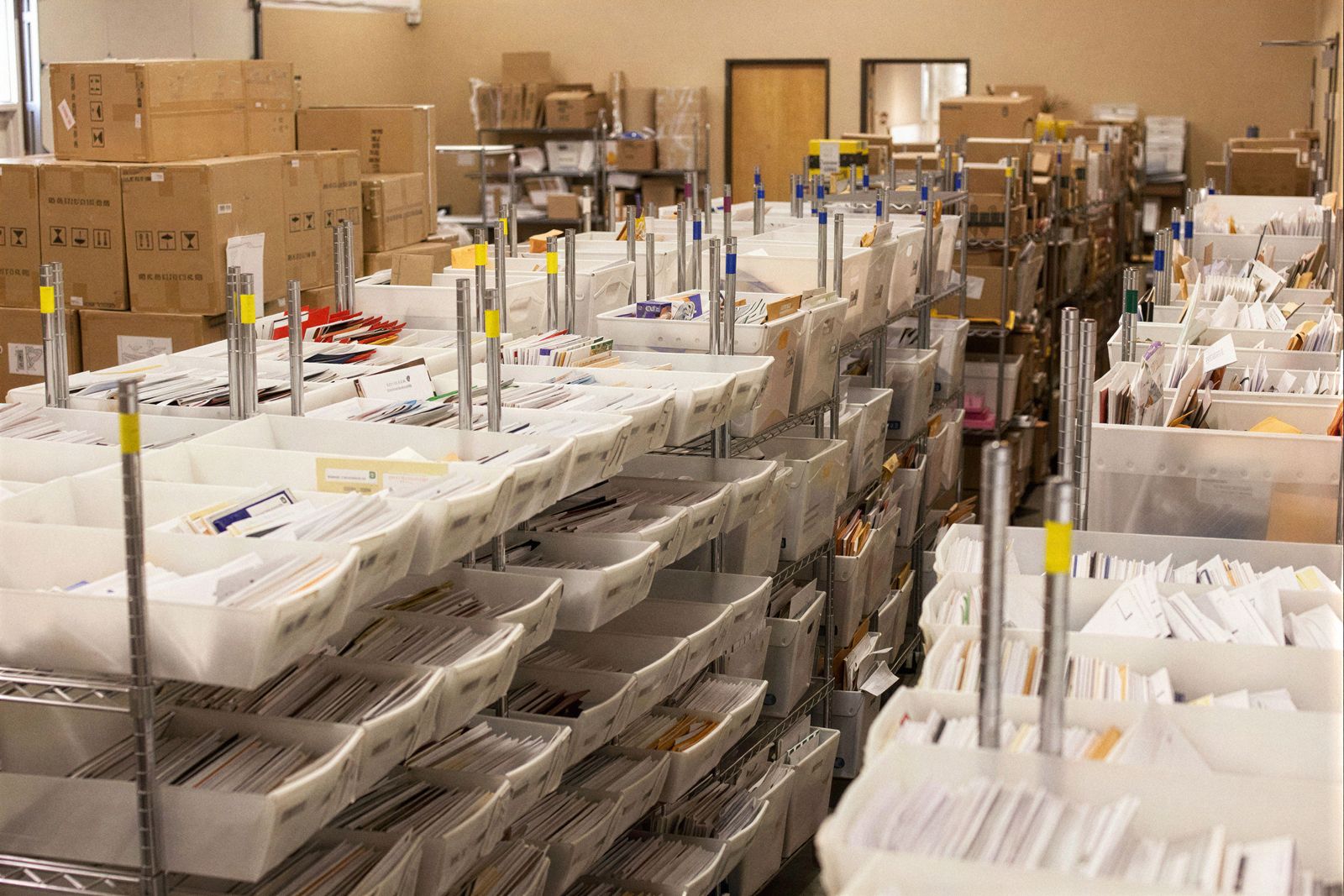
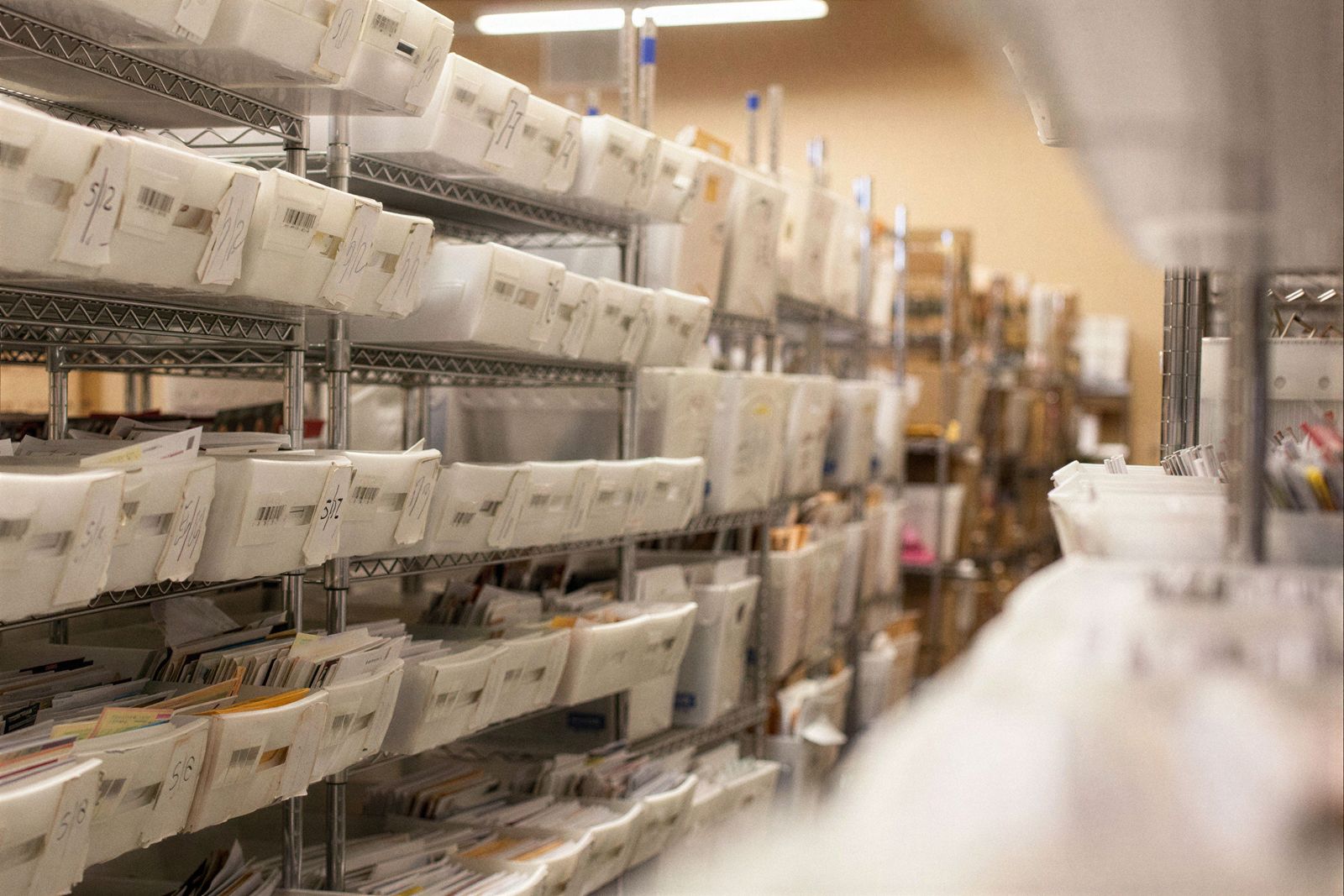
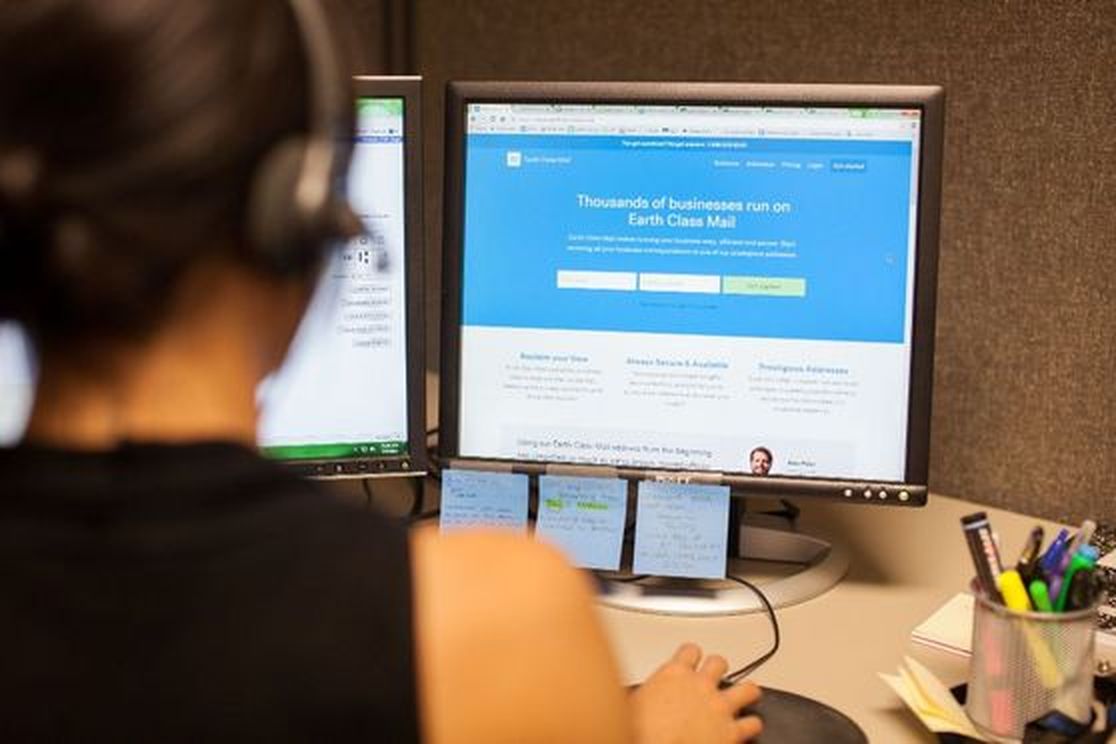
The Beaverton mailroom · every rack a day of mail
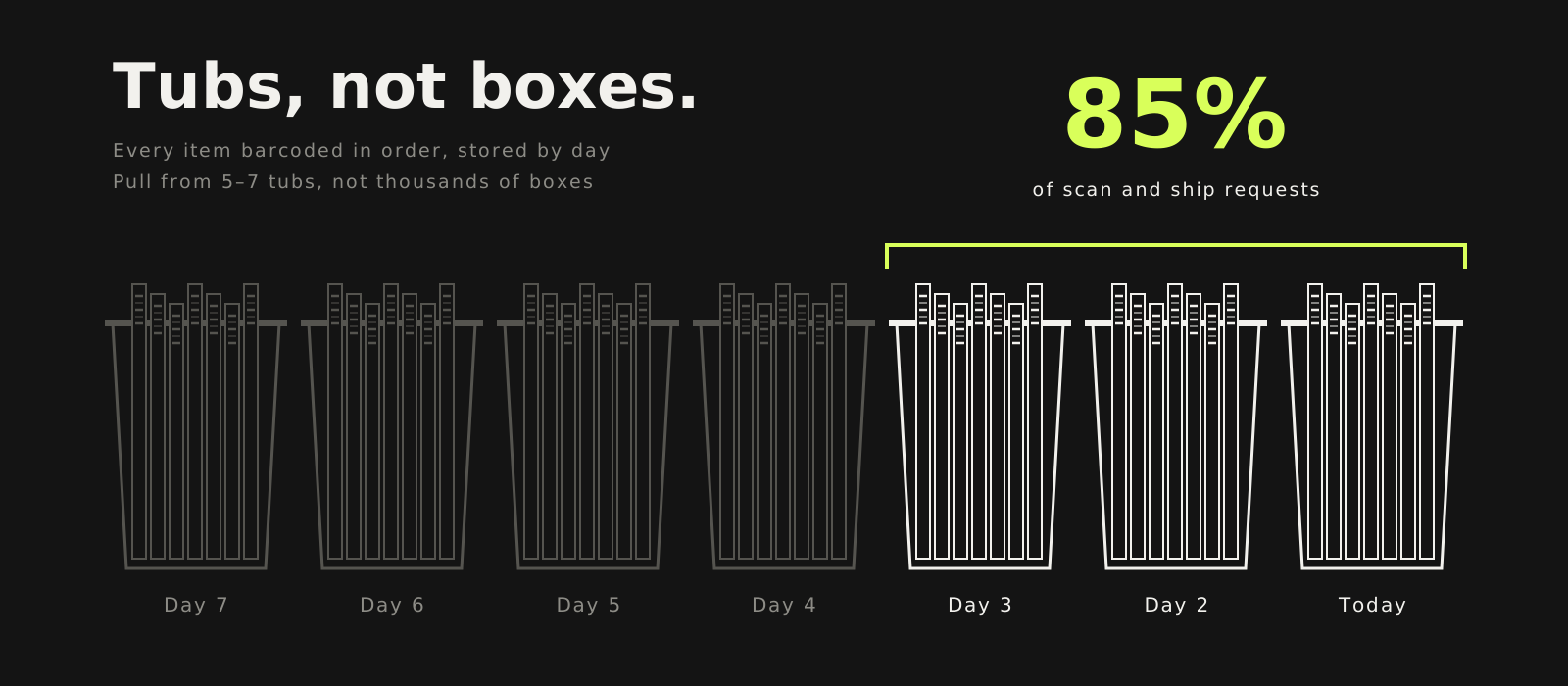
The mailroom redesign, drawn · seven daily tubs instead of a box per customer
$9.99 / $13.47Price per month against the real average cost per customer, once every operation was timed.
85%of scan and ship requests came from mail that arrived in the last three days.
5–7 tubspulled for a request, instead of searching thousands of customer boxes.
$1M → $400KPart of the team that took the company from a $1M monthly loss to $400K monthly profit.
How the system was built
Six steps · four beats each
01
Step 01
Define the System
Find out what a customer actually costs.
The need
A growing service that lost money on every customer.
The constraint
No one knew the real cost of an operation.
What I did
Timed operators on every operation over several weeks, then loaded in payroll, benefits, physical costs and overhead.
Why
You can't design a system around a number you have never measured.
$13.47
average cost per customer a month, against a $9.99 price. The service was repriced.
02
Step 02
Build the Pipeline
Redesign the mailroom around how mail was actually requested.
The need
Tens of thousands of items a day, hand-sorted into a box per customer.
The constraint
Every request meant finding one piece of mail in thousands of boxes.
What I did
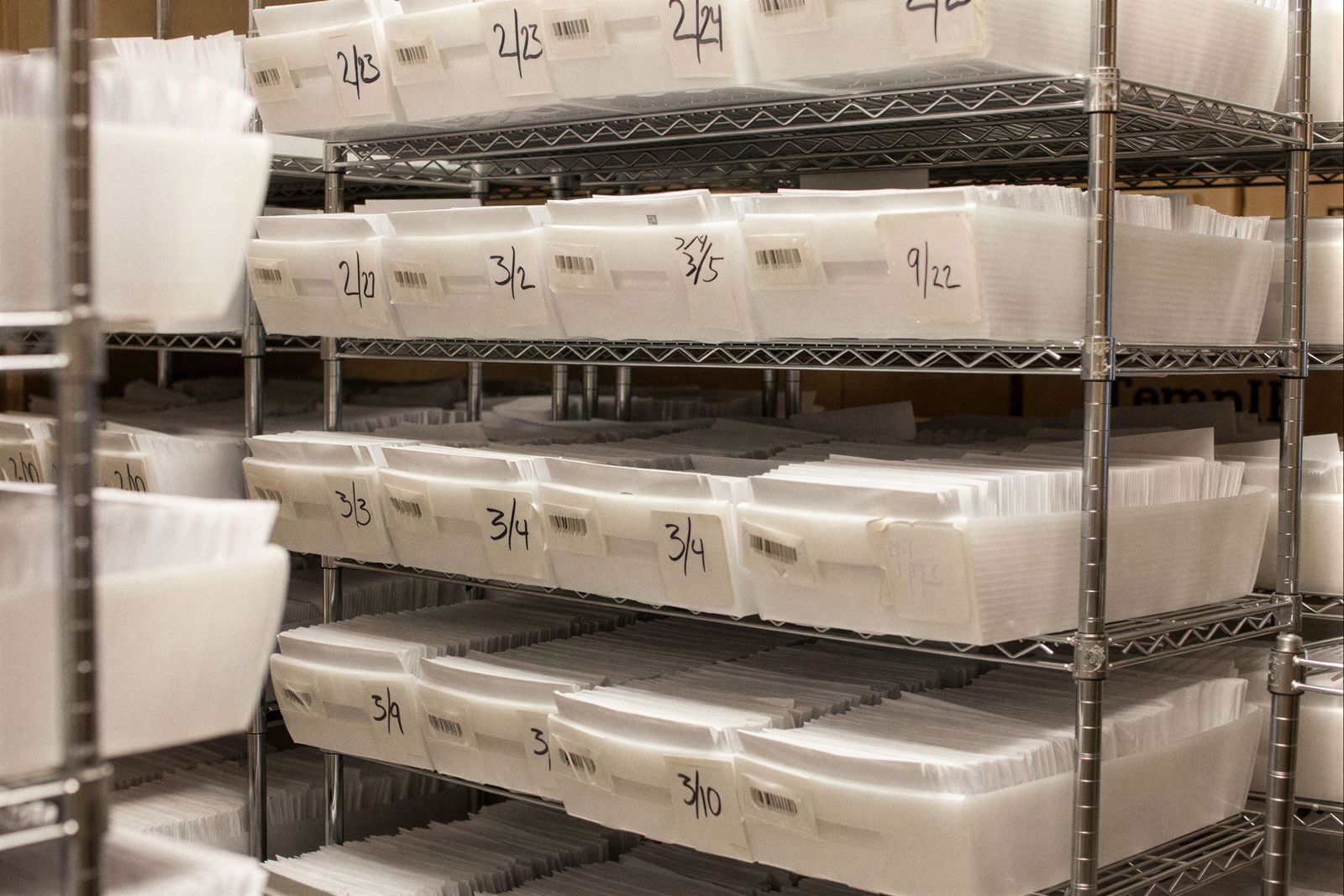
Barcoded every item in numerical order and stored it in mixed daily tubs. Pull lists showed 85% of scan and ship requests came from the last three days of mail.
Why
Pull from five to seven tubs instead of thousands of boxes, and labor overhead drops by a significant margin.
Tubs barcoded and dated by the day the mail arrived
03
Step 03
Assemble the Crew
Teams built around the process, with metrics per person.
The need
Operations and support teams that could hold the new process.
The constraint
A startup budget, and a process nobody had run before.
What I did
Managed an operations team of 10 to 12 and a support team of 5 to 7, after two retired FedEx executives taught me how professional systems are built.
Why
People do their best work inside a process they can see.
Operations team of 10 to 12 · support team of 5 to 7
04
Step 04
Produce the Content
Then the brand: identity, site, national TV and radio.
The need
A brand to match a company that now worked.
The constraint
A small marketing budget against national competitors.
What I did
Designed the logo, wordmark and brand; designed and built the website; concepted, wrote, produced, directed and edited national TV spots and radio ads; worked with media buyers for national cable.
Why
The same producer skills, pointed at a company I knew from the mailroom up.
Brand season
Identity · website · national TV spots · radio · cable media buys
05
Step 05
Catalog the Assets
Measure the work so it can be improved.
The need
Know which tickets went where, and how customers felt about the answers.
The constraint
Support was reactive and untracked.
What I did
Built an assignment process and per-member metrics, and introduced NPS and customer feedback scoring.
Why
Once it was measured, it improved: NPS reached 95% within six months, and response times fell.
Support · assignment process, per-member metrics, NPS
06
Step 06
Run the System
Nine years, through an ownership change.
The need
Keep the operation and the brand running as the company grew.
The constraint
A sale, new owners, new priorities.
What I did
Moved from customer experience to national operations to marketing operations, and stayed on through an ownership change.
Why
This is where I learned that a system is the thing that keeps working when the people change.
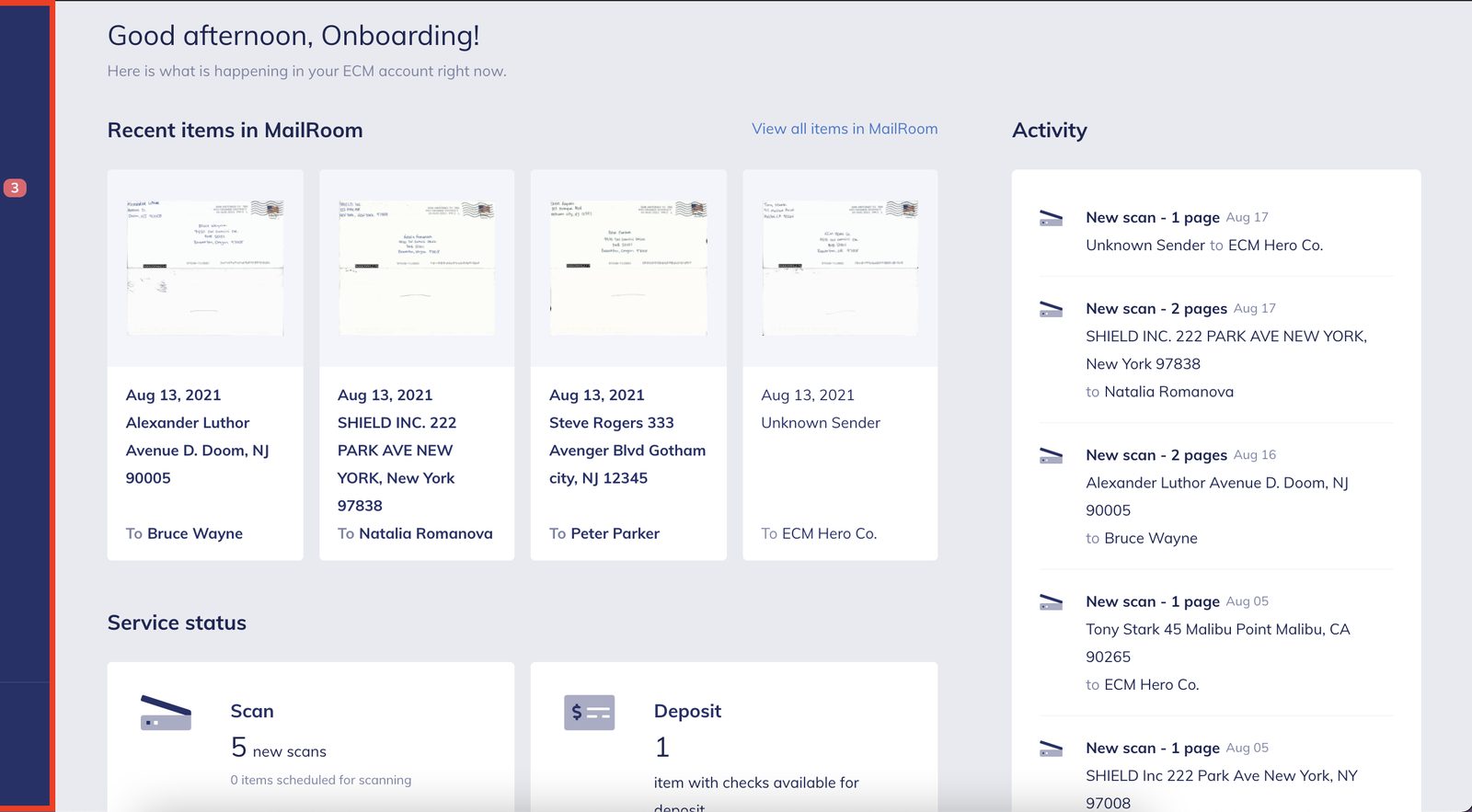
The customer dashboard today, under LegalZoom · demo account
Client systems are just another system.
The same method runs at small scale for clients through my studio: brand, site, print, uniforms, Google Business, Yelp, social and YouTube for PermaFix PDX and Washman Car Wash, and the website, email, events, livestream and print as Communications Director for Cedar Mill Bible Church.