Chapter · Sleeper · fantasy sports app · 2024–2025

The same pipeline, with AI in the production seat

Lead Visual Designer & Generative AI Production Specialist (contract). I built the Sleeper Guides program on the same structure as Nike: human writers and editors, one tracked pipeline, a governed library, and a person approving every image that ships.

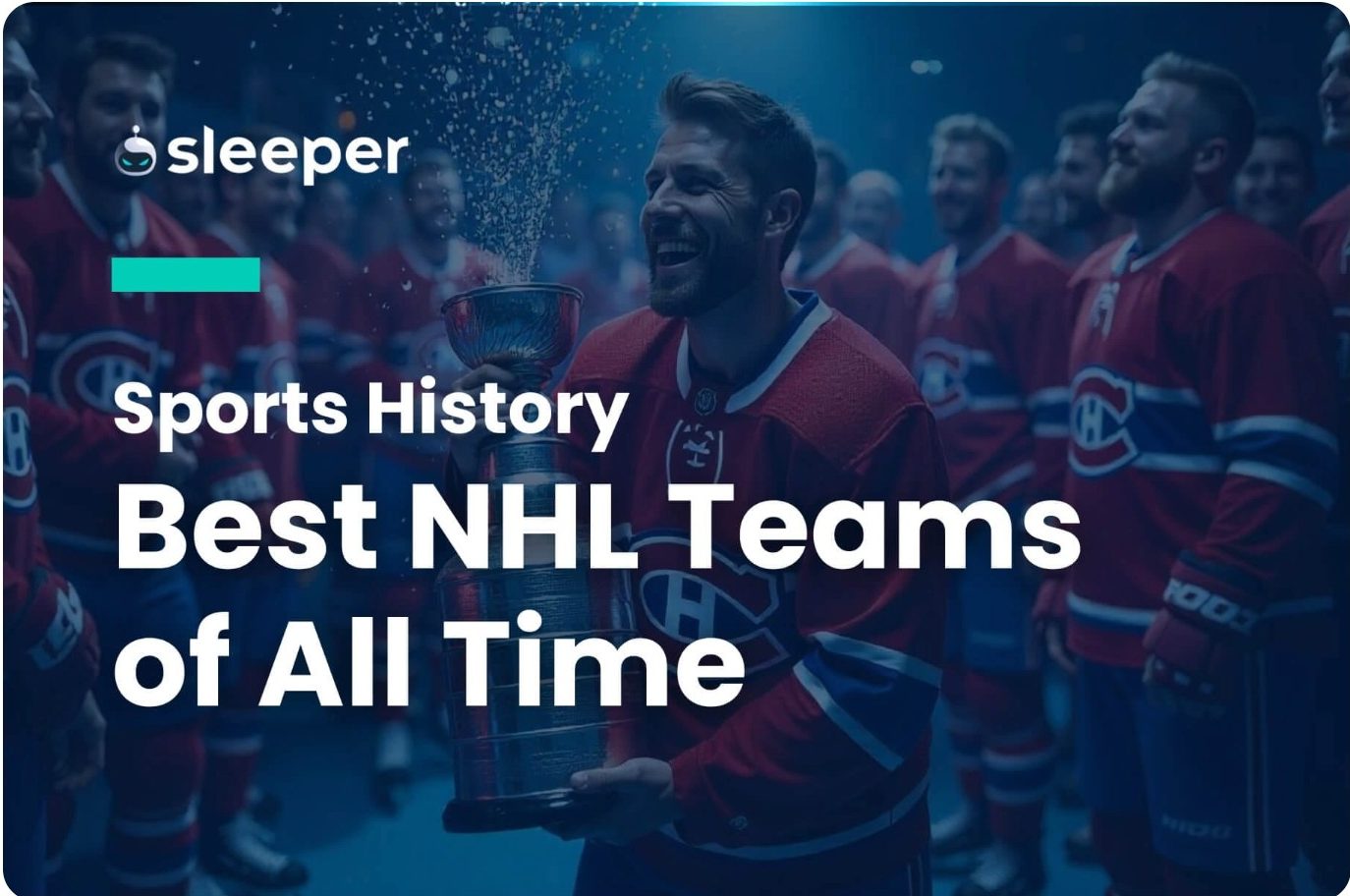
Sleeper Guides hero: Best NHL Teams of All Time
A Guides hero · sleeper.com
Fractionof the crew and budget of the Nike system
6steps from article to published hero
4agents in production seats
1person approving every image

AI in production was my proposal. A fantasy platform and generated imagery are both a kind of make-believe, so it fit the brand, and it cost a fraction of a crew.

Sleeper was mostly article production, the same job as Nike. The difference was who sat in the production seats.

The Guides library

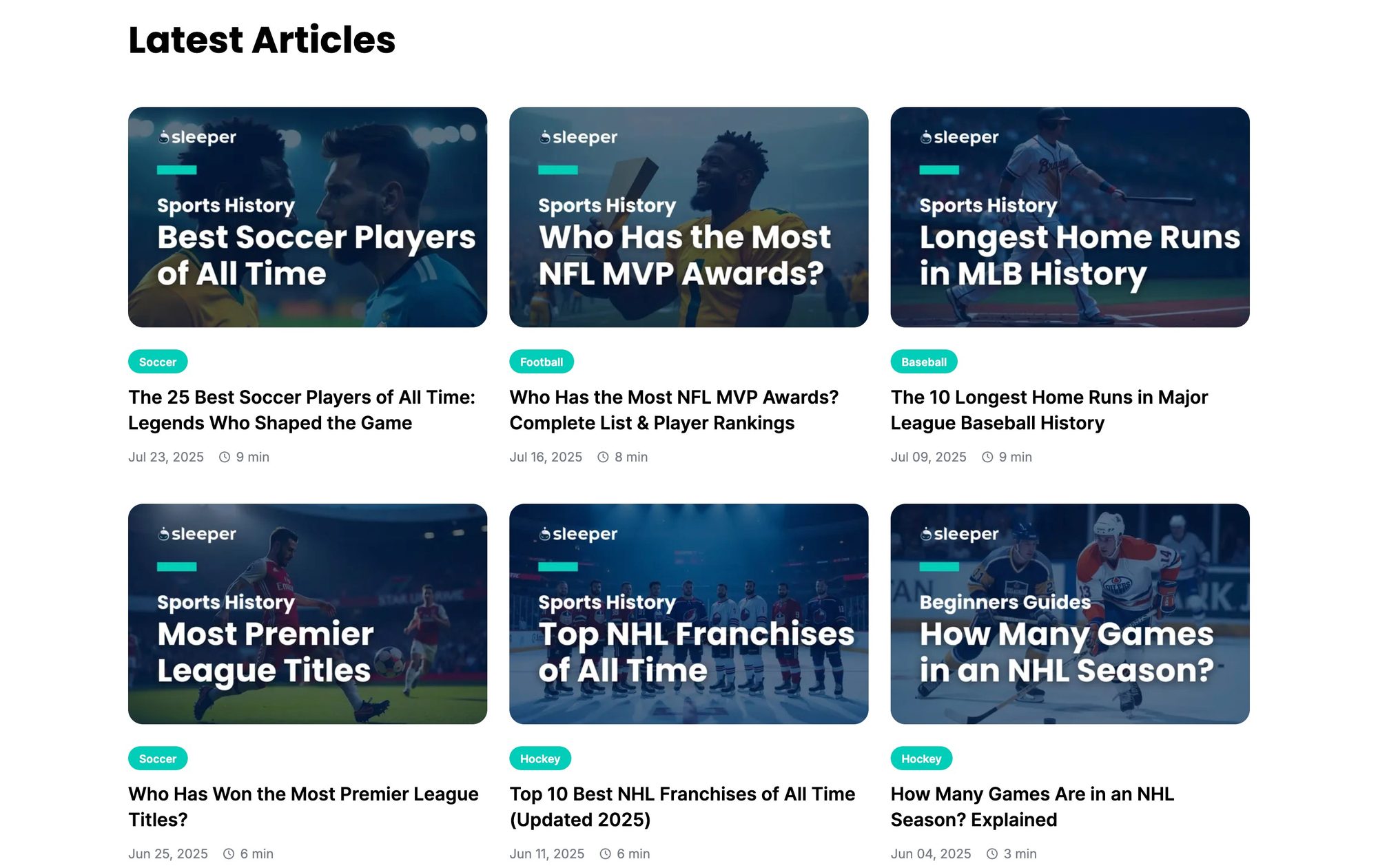
Live on sleeper.com

Latest Articles grid on the Sleeper Guides blog

Every hero generated, reviewed by an agent, and selected by me

How the system was built

Six steps · four beats each

Step 01

Define the System

One hero treatment on every Guide, so the library reads as one program.

The need

A visual identity for Sleeper Guides that could run at Nike volume.

The constraint

A fraction of Nike's crew and budget, and a weekly sports calendar that never waits.

What I did

Proposed AI in the production seat. A fantasy platform and generated imagery are both a kind of make-believe, so it fit the brand. Set one treatment: the brand navy gradient across every hero, the title on the gradient, the same type on every article.

Why

I would not have proposed this at Nike, where the subjects were real athletes. Here it fit, and it made the volume affordable.

Guides hero: Most Premier League Titles
Navy gradient left to right · title on the gradient · one typeface

Step 02

Build the Pipeline

Almost the Nike pipeline, with agents in three of the seats.

The need

A repeatable path from written article to finished hero, every week.

The constraint

Generated images drift off-brand and make errors; nothing can ship unchecked.

What I did

Tracked in Airtable. Human writers and editors; a shot list drafted with an AI assistant and finalized by me; a prompt agent; generation; a review agent; my final select.

Why

Put the judgment where it matters. The agents do the volume, and a person approves every image that ships.

The chain

Article → shot list → prompt agent → generation → review agent → my select → publish

Step 03

Assemble the Crew

Freelance producers and editors on weekly turns, plus agents.

The need

Enough capacity to hit a weekly cadence.

The constraint

A small budget and no studio.

What I did

Managed freelance producers, editors and illustrators on weekly turns. Built the prompt, review, stats and design agents that took the production seats.

Why

A crew is whoever, or whatever, does the work to the standard. Direction stays human.

4

agents in the chain: prompt, review, stats, design

Step 04

Produce the Content

Guides heroes every week, and a show.

The need

Hero images for every Guide, and a reason for fans to come back weekly.

The constraint

Image and video models were moving fast and were not always ready for the job.

What I did

Generated across Midjourney, Runway, Firefly and Kling. Built Fantasy Reporter, a weekly recap with an AI host, below.

Why

Use the tool that does the shot best, and solve the hard part instead of avoiding it.

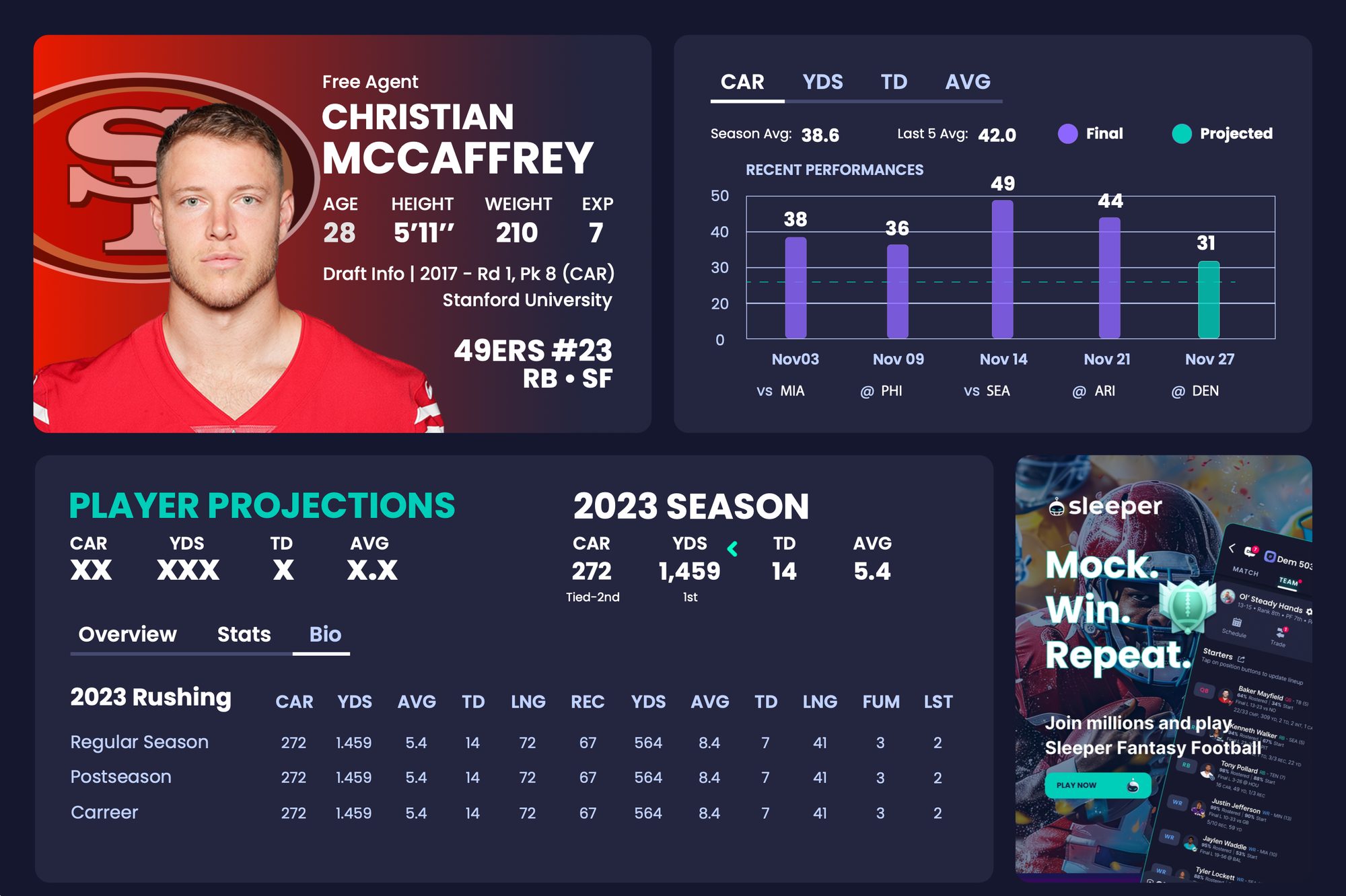
Player card template designed in Illustrator
Player card template · designed in Illustrator, then built by the design agent

Step 05

Catalog the Assets

A governed library that the prompts learn from.

The need

Every image consistent with the ones before it.

The constraint

Generated work has no shoot to go back to; the library is the only memory.

What I did

Built asset libraries and production guidelines, and pointed the prompt agent at the approved library so new images stay on-brand.

Why

The library is what keeps a generated program looking like one brand.

Library rules

Approved images only · tagged by format · referenced by the prompt agent

Step 06

Run the System

A weekly cadence, then handed off.

The need

Hold a weekly cadence.

The constraint

Weekly turns, live events, a contract with an end date.

What I did

Ran the Guides and the show every week, produced on-site at live NFL events, and handed the Fantasy Reporter process to an in-house editor.

Why

The handoff is the test: the process kept running without me.

Weekly

Guides and a video series on a weekly cadence

Sleeper · weekly video

Fantasy Reporter, an AI-produced show

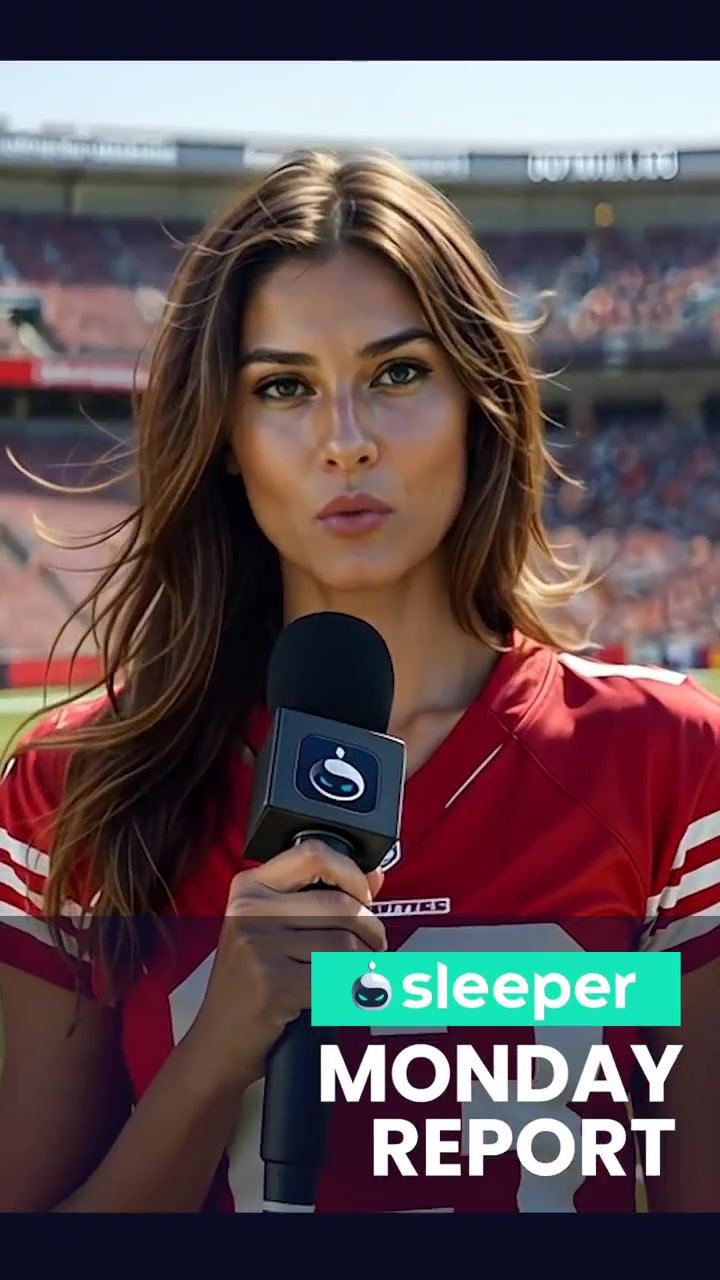
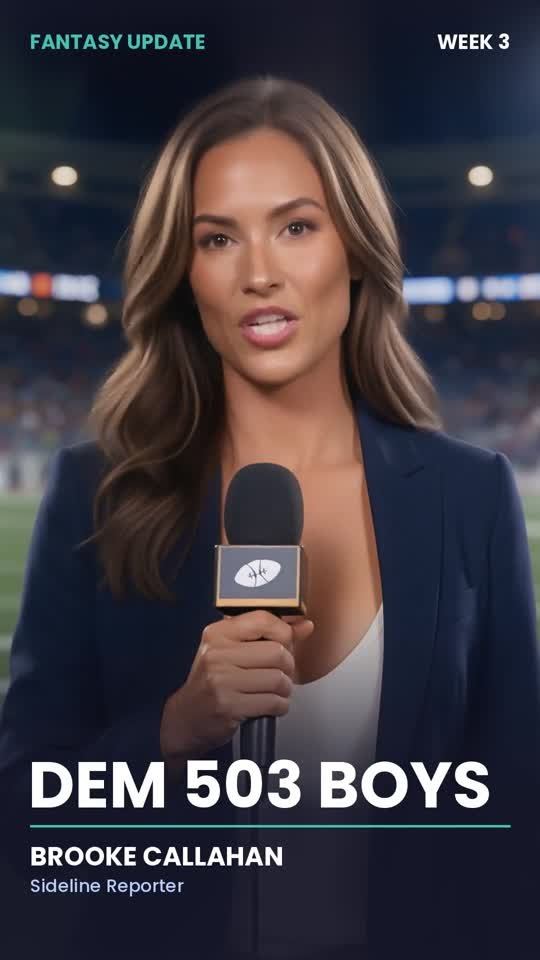
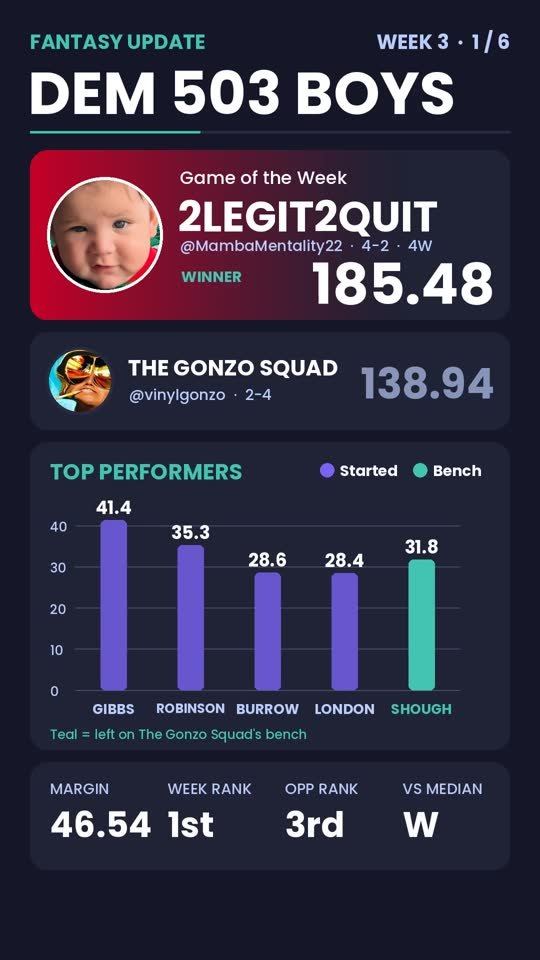
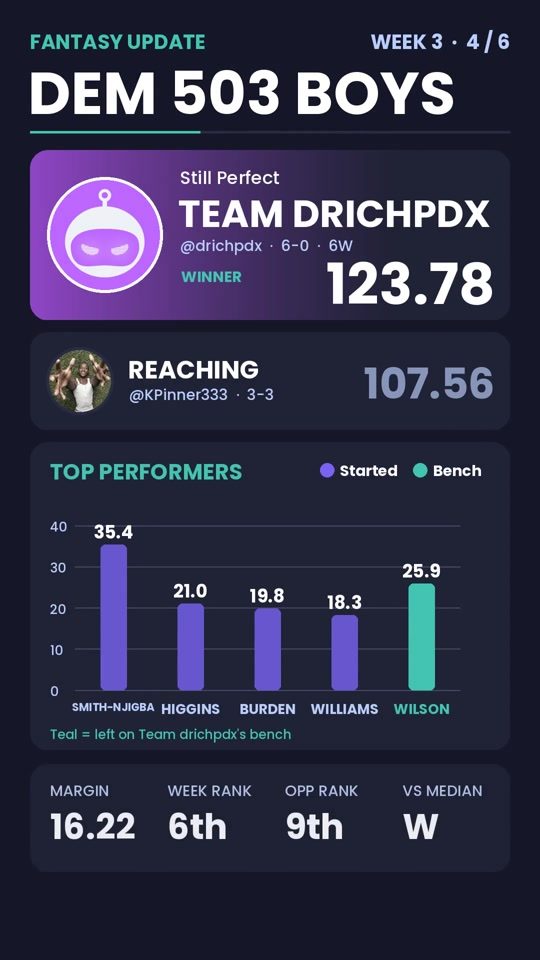
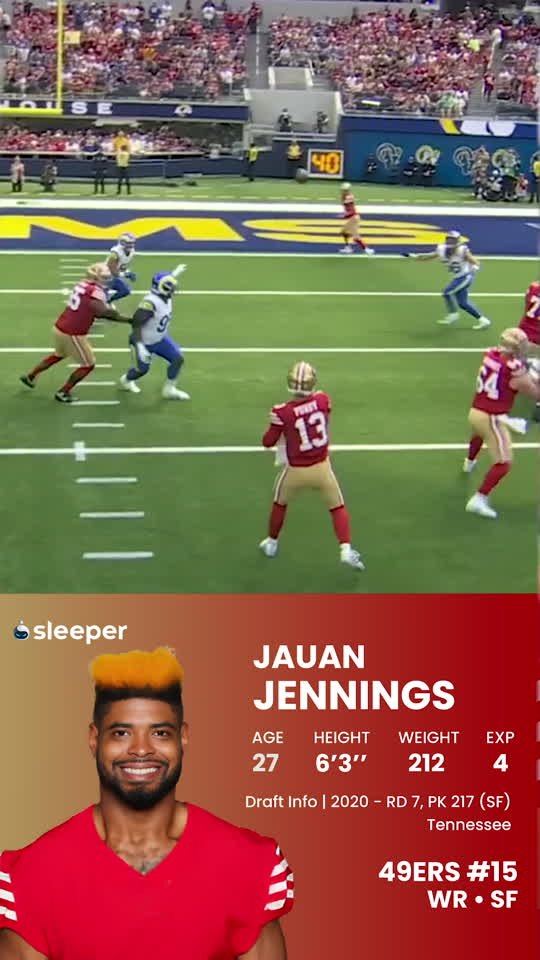
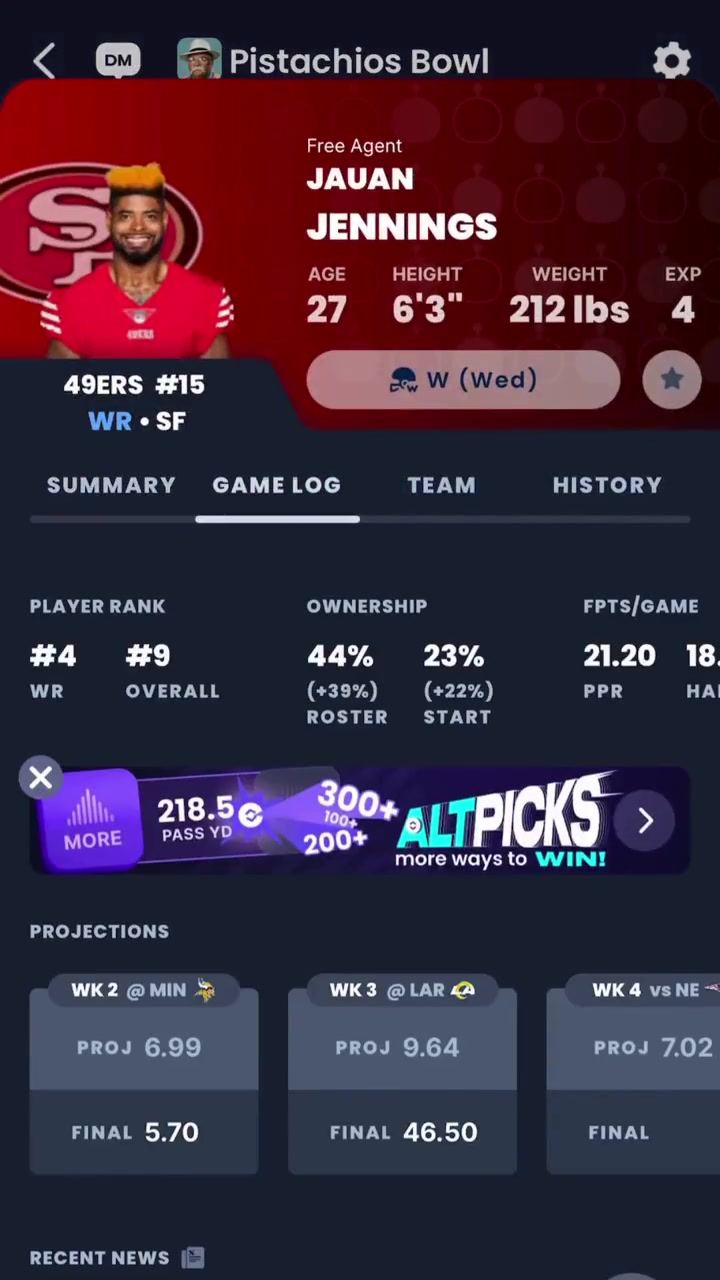
A weekly fantasy recap series with an AI host. I designed the player cards in Illustrator, then trained a design agent on them so the cards built themselves from each script's stats. Lip-sync was the hard part: the models weren't ready, and solving it took real time.

  1. Script from the week's games
  2. Voice in ElevenLabs
  3. Host built in Runway, lip-synced
  4. Stat cards from the design agent
  5. Cut in Premiere, handed to an in-house editor

Host and voice are AI-generated

Fantasy Reporter frameFantasy Reporter frameFantasy Reporter frameFantasy Reporter frameFantasy Reporter frameFantasy Reporter frame